Essential Tips for Casino Privacy Settings
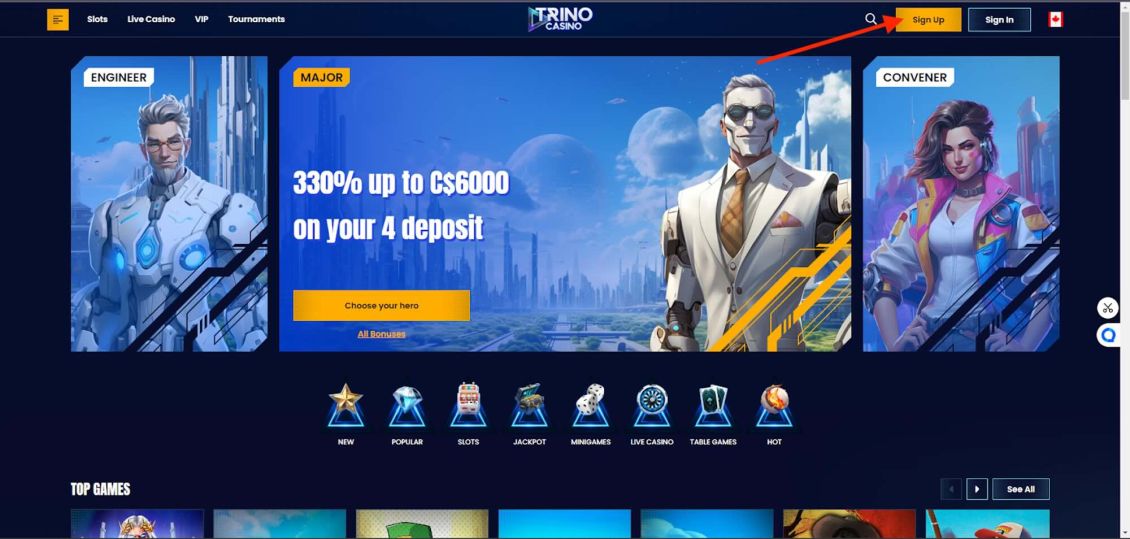
Online casino players in the UK can experience a far better protected experience when they spend a few minutes to configure their account privacy settings during registration and beyond. Trino Casino provides a range of built‑in tools that enable players determine how their personal information is kept, used and shared. From the moment a new visitor taps the sign‑up button to every subsequent login, smart privacy choices limit exposure to unauthorised access and unwanted marketing. This guide details the most effective privacy settings and habits for any Trino Casino player, covering password creation, two‑factor authentication, document handling, consent management and session security.
Common Questions
In what way can a player modify a Trino Casino password after login?
After logging in, the player should open the account menu, choose ‘security settings’ or ‘personal details’, and choose the option to change the password. The system will ask for the current password initially, then the new one. For full privacy, a password manager represents the safest tool for creating and saving a replacement.
What must a player do if they believe someone else has accessed their account?
The first step involves to log in from a secure device, update the password at once, and review the active sessions panel to terminate any unrecognised connections. The player then needs to contact Trino Casino’s support team through live chat or email in order for the security team can add extra monitoring and look for any unauthorized changes.
Is it true that Trino Casino ever request documents by email?
No. Trino Casino never asks for copies of passports, driving licences or bank statements via email. All document uploads occur inside the protected ‘Verification’ or ‘Upload Documents’ section of the player’s account after login. If an email claiming to be from Trino Casino requests such files, the player ought to forward it to support and not ever reply.
Can a player revoke consent for marketing after registration?
Indeed. Permission granted during sign‑up is always revocable. Inside the account settings, casino trino online registration, usually under ‘communication preferences’ or ‘marketing permissions’, the player can untick email, SMS or push notification options. The adjustment applies promptly, and the casino is required to respect the updated preference under UK data protection law.
What is the optimal method for saving two‑factor authentication recovery codes?
The recovery codes displayed during 2FA configuration ought to be stored offline. Jotting them down on paper placed in a private spot or keeping them in a password manager’s secure notes section is safer than holding them in a plain‑text file on a connected device. These codes provide single‑use entry if the authenticator app becomes unavailable.
How much time does KYC verification require at Trino Casino?
The majority of verification requests are processed within a few hours, but it can sometimes take up to 48 hours based on document volume. Submitted documents are initially verified automatically, then manually if necessary. The player will see a status update in the verification centre, and a notification is sent once the checks are complete.
Is it safe to let the browser remember the Trino Casino password?
Keeping passwords in a browser is handy but not as safe than a password management tool, notably on a shared computer. If using a personal device that others don’t use, the threat is reduced. For the maximum privacy, players should steer clear of shared or office devices and always log out after each visit.
Adjust Your Advertising Permissions and Communication Options
During registration Trino Casino offers a series of consent options that define how a customer’s data may be used for promotional purposes. Players can opt to opt out of direct marketing emails, SMS messages, push notifications and online advertisements. These preferences can be modified at any time in the ‘messaging options’ or ‘marketing preferences’ section of the account dashboard. For the optimal privacy, a player should uncheck any box that allows sharing of personal details with selected partners for external promotions. Trino Casino may also create a profile of gambling activity to personalize on‑site offers; under UK data protection law, the player has the entitlement to object to that profiling and ask that decisions be made without automated processing.
Establish Account Recovery Options That Do Not Compromise Privacy
When a lost password or locked account must be handled, Trino Casino depends on the recovery email address or phone number kept in the player’s profile. Choosing a recovery email that is not utilized for social media or public‑facing accounts restricts the trail of personally identifiable information. If security questions are given as a fallback, players should handle the answers like additional passwords: give answers that are complex and not easily deduced from a quick search of public profiles. For example, instead of mentioning a real mother’s maiden name, a player could use a fictitious phrase that only they would know. Regularly examining and refreshing these recovery points – especially after a device is stolen or an email account is breached – preserves the path back into the account under the player’s sole control.
Complete Identity Verification Without Oversharing Sensitive Data
UK Gambling Commission rules oblige Trino Casino to verify a player’s identity and age prior to permitting withdrawals. The verification process – often called Know Your Customer (KYC) – does not require disclosing unnecessary information. Players can create high‑quality scans or photographs of the requested items while removing any details that are not relevant to the check, such as a passport’s middle‑name spelling if not requested. Uploads are made through a dedicated secure document portal in the account, never by email. Trino Casino processes that data under strict privacy policies and players have protections under the UK GDPR to ask how their information is managed. Typical documents asked for include:
- Identity verification: a valid passport, full UK driving licence or national identity card.
- Proof of address: a utility bill, bank statement or council tax bill from within the last three months.
- Payment method confirmation: a photo of the front of a debit card showing only the last four digits, or a screenshot of an e‑wallet account.
Explore and Sign In Over a Secure, Confidential Connection
The session between a player’s device and Trino Casino must be coded. Before typing any login details, a player should verify that the address bar shows the closed padlock symbol and that the URL begins with “https://”. This confirms that the data sent cannot be read by anyone intercepting the network. Public Wi‑Fi networks in cafés, airports or hotels often miss strong encryption and make it more likely for attackers to steal login tokens. A more secure choice is to use a private home broadband connection or mobile data. Having the device’s operating system, web browser and any security software fully updated removes known vulnerabilities that could compromise the Trino Casino session to privacy leaks.
Maintain Your Login Session Secure with Device and History Controls
Each time a player logs in, Trino Casino establishes a browser session that can remain active even after the tab is closed. Utilizing the ‘active sessions’ or ‘devices’ panel inside the account security area, a player can see a list of all currently logged‑in browsers and apps, along with their approximate location, IP address and last activity time. If an unfamiliar session appears, the player can instantly terminate it with a single click. Most online casinos, including Trino Casino, also provide a ‘log out of all devices’ button that immediately invalidates every session. Turning on the automatic idle timeout setting – often adjustable between 10 and 30 minutes – further locks the account automatically if the screen is left inactive.
Turn on Two‑Factor Authentication for an Enhanced Privacy Shield
Two‑factor authentication (2FA) provides that even if a password is compromised, a would‑be intruder is unable to access the account. Trino Casino usually supports app‑based one‑time codes through authenticator apps such as Google Authenticator or Authy, which create a fresh code every 30 seconds. Once logged in, a player can go to the account security or settings area, locate the two‑factor authentication option and scan a QR code with the authenticator app. From that moment onward, every login will need both the password and the time‑sensitive code. Enabling 2FA provides a powerful real‑time barrier that protects the gambling account, personal balance details and identity documents from remote takeover attempts.

Choose a Secure, Distinctive Password for Your Trino Casino Account
A robust password is the cornerstone of account security on any online casino. When setting up a Trino Casino account, players should select a password that is at least 12 characters long and includes uppercase letters, lowercase letters, numbers and symbols. Trino Casino’s registration form mandates a minimum complexity, but going beyond the basics adds a crucial extra layer of security. A password that features a memorable but unpredictable passphrase – such as ‘PurplePineapple$82Lantern’ – is far tougher to crack than a simple word followed by a few digits. It is equally important never to recycle a password that has been used on another website; a password manager can produce and keep a unique login for Trino Casino securely, so the player only needs to remember one master passphrase.
Learn about Cookie Settings and Limit Online Tracking on the Gambling Site
When accessing Trino Casino’s login page, a cookie banner typically shows up at the bottom or top of the screen. By clicking ‘manage settings’ or ‘cookie preferences’ instead of ‘accept all’, a player can decline non‑essential cookies that track browsing for advertising or analytics. Essential cookies – necessary for the login form, session handling and security checks – cannot be turned off without affecting site functionality, but all others can be deactivated. Many of these non‑essential cookies gather data about which pages are viewed and how the player reached the site, creating a digital profile that may be distributed with ad networks. Reviewing these settings once, and occasionally deleting cookies and cache in the browser, lessens the invisible data trail that follows a player around the web.